Quick answer
Grow kale in full sun or light partial shade, in firm fertile soil that retains moisture without becoming waterlogged. Sow densely for baby leaves or transplant full-sized plants 40–60cm apart. Protect young growth from birds and caterpillars, then pick lower leaves regularly through autumn and winter.
Kale is among the hardiest annual vegetable crops and does not need to form a head before harvest. Curly, red, Tuscan and compact cultivars differ in height, texture and cold tolerance, so match the variety to the available space and intended harvest.
Choose a harvest style
Baby-leaf kale is sown closely and cut young, often more than once. Full-sized plants need much wider spacing and can provide individual leaves for months. Compact cultivars suit small beds and containers; tall plants offer more leaf area but become top-heavy in wind.
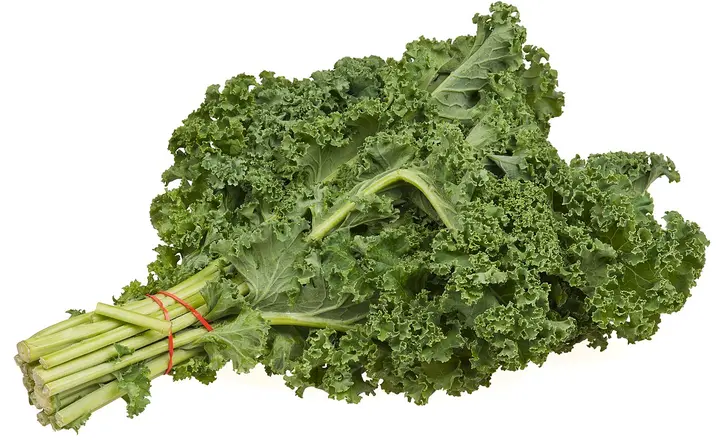
Tuscan kale has long puckered leaves, while curly and red cultivars form frilled rosettes. The RHS kale guide describes plants up to about 90cm tall, with compact alternatives around 40cm.
Site, soil and rotation
Choose an open site with at least five hours of direct light. Kale tolerates some shade better than large fruiting crops, but deep shade produces weak plants. Use well-drained loam with mature organic matter and a pH around 6.0–7.5.
Rotate away from cabbage, broccoli, cauliflower, turnip and other brassicas. The University of Minnesota Extension recommends a four-year interval where practical to reduce persistent brassica pests and diseases.
Sowing and transplanting
Sow in modules or a seedbed for full-sized plants. Thin promptly and give seedlings bright light so they remain stocky. Harden them gradually before planting, then set the root ball firmly and water in.
Space mature plants 40–60cm apart according to final cultivar size. Planting closer creates smaller plants and reduces airflow. For baby leaves, follow the packet's much denser spacing and treat the row as a short-duration crop.
Containers, watering and feeding
One compact kale can grow in a pot of about 20 litres and 30cm diameter. A trough can hold a baby-leaf sowing. Use peat-free compost, ensure drainage and secure tall containers against wind.
Water deeply during establishment and dry spells. Mulch mature plants to conserve moisture and suppress weeds. Feed only where soil fertility or container growth justifies it; excessive nitrogen produces soft leaves attractive to pests.
Supporting and protecting plants
Firm soil around the stem as plants enlarge. Stake tall kale in exposed gardens before it begins to rock. Wind movement can break fine roots even when the stem remains upright.
Use fine insect mesh against caterpillars and suitable taut netting against pigeons. Seal edges, inspect leaf undersides and make sure wildlife cannot become trapped. Flea beetles and slugs can seriously check small seedlings.
Diagnosing common problems
| Symptom | Likely causes to investigate | First checks |
|---|---|---|
| Large holes or stripped leaves | Caterpillars, pigeons or slugs | Leaf undersides, droppings and cover gaps |
| Small shot holes | Flea beetles | Seedling leaves and dry soil |
| Plant rocks or leans | Wind and poor anchorage | Stem base, roots and soil firmness |
| Lower leaves yellow | Normal ageing, hunger or wet roots | Whether only old leaves are affected |
| Plant wilts with swollen roots | Clubroot | Root shape and brassica history |
| Leaves become tough | Drought, age or warm conditions | Harvest interval and soil moisture |
Harvest and storage
Pick the lowest healthy leaves first, leaving the centre to continue growing. Harvest little and often rather than stripping the plant. Tender shoot tips and flower buds can also be used near the end of the crop.
Cold weather often improves texture and flavour, and established plants can stand substantial frost. Wash leaves carefully, remove tough midribs if needed and use promptly; harvested kale loses moisture faster than roots or bulbs.
Sources and review basis
- How to grow kale — Royal Horticultural Society
- Growing collards and kale in home gardens — University of Minnesota Extension
Final height, leaf type and winter hardiness vary by cultivar. Use the supplier's description for exact spacing and harvest season.