Quick answer
Grow culinary mint in sun or partial shade with fertile soil that stays moist but not waterlogged. Because most mints spread vigorously through underground stems, keep them in a dedicated large pot or a place where their expansion can be managed.
Harvest shoot tips regularly to encourage fresh branching, cut tired growth back after flowering and divide congested plants every few years. Buy a correctly named culinary plant from a reputable source: not every plant called mint is a suitable edible Mentha.
Choose the plant by flavour and identity
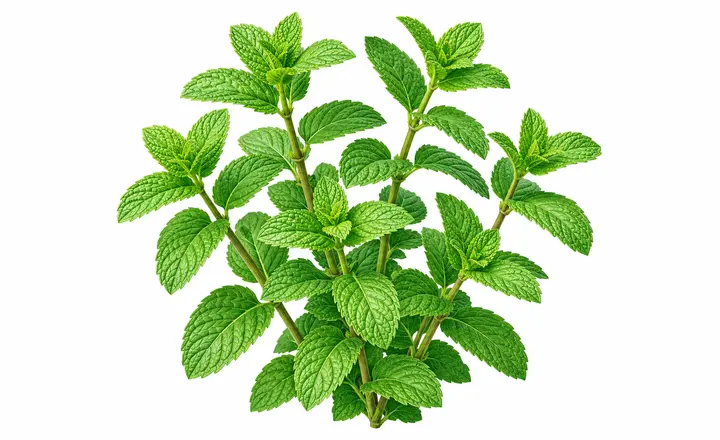
Spearmint is a versatile culinary choice with a fresh sweet flavour. Peppermint is stronger and contains more menthol. Apple, Moroccan, chocolate and citrus-named mints differ in aroma, leaf texture and vigour, but cultivar names are not always used consistently in retail plants.
Smell and taste a correctly identified plant before allocating space. Pennyroyal (Mentha pulegium) is not a general culinary mint and is listed as harmful if eaten. Catmint and Korean mint belong to other genera and have different uses.
The RHS mint guide recommends buying a named plant suited to the intended use and containing vigorous types in pots.
Site and soil
Mint grows in full sun or partial shade. Strong sun supports dense aromatic growth when water is reliable; afternoon shade can reduce stress in hot conditions. Deep shade produces sparse stems and slower recovery after cutting.
Use fertile moisture-retentive soil with drainage and a tested pH around 6.0–7.5. Most culinary mints dislike prolonged drought but also decline in stagnant, airless soil. Keep different cultivars separated if maintaining reliable labels matters, because spreading stems intermingle quickly.
Plant and contain spreading roots
Plant potted mint at its previous depth after frost or whenever mild conditions and watering support establishment. Space plants roughly 30–45cm apart where they are allowed to form ground cover.
A bottomless pot sunk into soil can slow spread but does not guarantee containment: stems can grow over the rim and roots can escape drainage openings. A separate container on a hard, inspectable surface provides clearer control. Remove unwanted stems while they are small rather than allowing them to enter neighbouring crowns.
Containers and indoor mint
Use a pot at least 30cm wide with drainage and enough weight to remain stable. One cultivar per container prevents confusion. Repot or divide when roots circle densely, water runs straight through, or new shoots become weak.
Mint can grow indoors with strong light, cool-to-moderate temperatures and airflow. A bright room is not necessarily enough during winter. Keep foliage away from cold glass and inspect shoot tips for aphids or mites before bringing outdoor plants inside.
Water, feeding and renewal
Check containers frequently in warm weather and water thoroughly when the upper growing medium begins to dry. Empty collection trays. Mulch established ground plants where conditions justify it, keeping material away from emerging crowns.
Mint usually needs only moderate feeding. Excess nitrogen produces soft growth and does not correct low light or congested roots. After flowering or when stems become coarse, cut growth back above healthy basal shoots, water if dry and allow a fresh flush. Divide in spring or autumn, retaining vigorous outer pieces and discarding dead centres.
Protecting and diagnosing mint
| Symptom | Likely causes to investigate | First checks |
|---|---|---|
| Orange dusty spots beneath leaves | Possible mint rust | Both leaf surfaces and affected stems |
| White powdery coating | Mildew favoured by stress or poor airflow | Spacing, moisture and light |
| Leaves sticky or distorted | Aphids or other sap feeders | Shoot tips and leaf undersides |
| Stems long with small leaves | Low light, crowding or excess warmth | Direct light and plant density |
| Pot wilts soon after watering | Root congestion, small volume or heat | Root ball, drainage and pot temperature |
| Shoots appear in nearby beds | Escaped rhizomes or creeping stems | Container edges and soil-level runners |
Remove serious rust-affected growth and clean up fallen material. Do not propagate from persistently diseased plants. Use only treatments labelled for edible herbs and confirm harvest intervals.
Harvest and storage
Cut healthy shoot tips just above a leaf pair, taking no more than the plant can replace. Regular picking keeps growth tender. Harvest before full flowering for the strongest leafy crop, or leave selected flowers for pollinators while accepting coarser stems.
Use mint fresh, hold short stems briefly in clean water or refrigerate washed and dried leaves for a short period. For longer keeping, follow a tested freezing or drying method. Record cultivar, flavour, spread and harvest quality so divisions retain only the plants worth containing.
Sources and review basis
- How to grow mint — Royal Horticultural Society
- Growing herbs in home gardens — University of Minnesota Extension
Use a reputable supplier for culinary identity. Containment and watering frequency should reflect the cultivar, container and local climate.