Quick answer
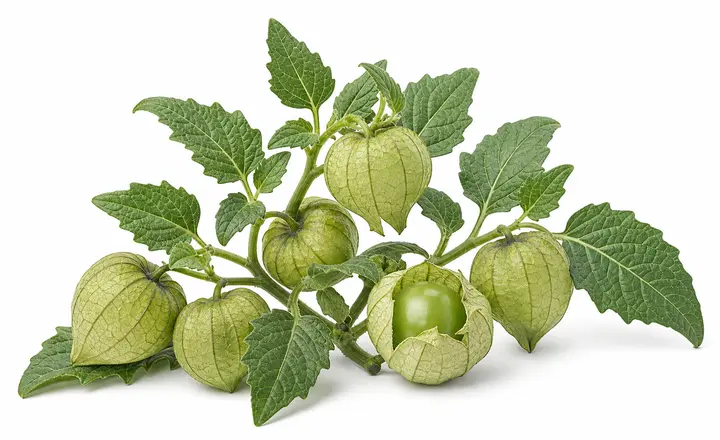
Tomatillos are tender, branching relatives of tomatoes that produce firm fruit inside papery husks. Sow indoors four to five weeks before the safe planting date, keep seedlings warm and bright, then harden them and plant outside only after frost risk has passed and nights are reliably above about 13°C. A greenhouse or very warm sheltered bed is more reliable in cool UK districts.
Grow at least two compatible plants for dependable cross-pollination. Space them 60–90cm apart, support the spreading branches, water evenly and avoid excessive nitrogen. Harvest when a fruit has filled or begun to split its husk but is still firm; remove the papery covering and wash off the naturally sticky coating before use.
Choose varieties and pollination partners
Tomatillos are commonly listed as Physalis philadelphica or P. ixocarpa. They are not unripe tomatoes, and they differ from the smaller, sweet ground cherries and cape gooseberries sold under other Physalis names. Green, purple and yellow-fruited cultivars vary in size, flavour and days to maturity.
Prioritise an early cultivar for a cool or short summer. A single plant may flower heavily without setting a useful crop because many tomatillos are self-incompatible. The University of Minnesota Extension guide recommends more than one plant and notes that two different varieties are ideal. Put them close enough for pollinating insects to move between them while preserving airflow.
Site, warmth and soil
Choose full sun, shelter from cold wind and the warmest available microclimate. Six hours of direct sun is a minimum and eight is preferable. A greenhouse, polytunnel or sunny wall can improve ripening, but enclosed structures need ventilation and access for pollinators.
Tomatillos grow in fertile, freely drained soil around pH 5.5–7.0. Add mature compost where structure or water-holding needs improvement, but avoid heavily manured ground or repeated high-nitrogen feeds. Too much nitrogen produces a large leafy bush that is slow to flower and fruit. Test soil before making pH or fertiliser corrections.
Sow and raise seedlings
Sow indoors about four to five weeks before planting out. Place seed roughly 5mm deep in a sterile, free-draining seed mix and keep it at 24–29°C until germination. After emergence, provide strong overhead light, cooler bright growing conditions and gentle air movement. Water when the surface begins to dry rather than keeping the mix saturated.
Pot seedlings on after true leaves form, holding them by a leaf rather than the stem. Tomatillos grow quickly once warm, so do not sow very early and leave plants congested indoors. Harden them over seven to ten days, gradually increasing outdoor sun and wind exposure, and bring them in if nights turn cold.
Plant after all frost danger has passed, soil has warmed and night temperatures are reliably about 13°C or above. Set each plant at the same level as in its pot, water thoroughly and install support immediately.
Spacing, containers and support
Allow 60–90cm in all directions; vigorous plants can occupy more room than tomatoes. Use a wide cage, several stakes or horizontal strings to hold brittle, branching growth clear of the soil. Check ties as stems expand and prune only enough to restore access and airflow.
For each plant, use a stable pot at least 40cm across and about 30 litres, filled with peat-free multipurpose or loam-based growing medium. One plant per container prevents root competition. Two containers are still needed for reliable pollination. Group them together and place them where bees can reach the flowers.
Water, mulch and feed
Keep moisture even while plants establish and fruit enlarge. Tomatillos tolerate some heat and drought, but severe fluctuations reduce fruit quality and stress container plants. Water deeply at soil level once or twice weekly in open ground as conditions require; check containers much more often. Avoid routine overhead irrigation because persistent wet leaves favour disease.
Apply an organic mulch after the soil warms, leaving the stem base clear. This conserves moisture and prevents soil splash. In fertile ground, feed only if a soil test indicates need. For containers, use a balanced feed according to its label, changing to a fruiting-crop formulation after flowering if the product instructions recommend it. Do not increase the dose to force ripening.
Flowering, fruit set and season extension
Small yellow flowers form at branch joints and depend on insects moving compatible pollen between plants. Open greenhouse doors and vents by day, avoid spraying open flowers and grow nectar plants nearby. If flowers drop without swelling, first check that there are two compatible plants and that nights are warm enough; temperatures below about 13°C or extreme heat can cause abortion.
As autumn approaches, remove new flowers that cannot mature and keep developing fruit exposed to light without stripping the plant bare. Close greenhouse ventilation earlier in the evening, but continue daytime airflow. Protect plants from the first light frost while useful fruit finish; the plant itself will not survive freezing weather.
Diagnose common problems
| Symptom | Likely causes to investigate | First checks |
|---|---|---|
| Many flowers but no fruit | One plant, poor pollination or temperature stress | Number and variety of plants, insects and night temperatures |
| Large leafy plant, late fruiting | Excess nitrogen, shade or early sowing | Feed history, direct sun and planting date |
| Flowers drop | Nights below 13°C, extreme heat, drought or poor pollination | Temperature, root moisture and partner plants |
| Leaves develop spots | Prolonged wet foliage, poor airflow or soil-borne disease | Watering method, spacing and lower leaves |
| Branches split or fruit touch soil | Inadequate support or crowding | Cage, ties and plant spacing |
| Fruit stays small inside a loose husk | Immaturity, cool conditions, drought or poor root health | Time remaining, temperature, water and roots |
Tomatillos share several pests and diseases with tomatoes, peppers, potatoes and aubergines. Rotate these crops where possible, remove infected debris and diagnose a problem before choosing a treatment.
Harvest and store
Check fruit regularly once husks become plump. Harvest when the fruit fills the husk and may split it, while the fruit is still firm and has the colour expected for the cultivar. Some varieties become sweeter and change colour with maturity, so use the seed description as the final cue.
Twist or cut fruit from the branch without tearing nearby stems. Remove the dry husk and wash away the sticky surface film before cooking. Refrigerate sound fruit in its husk for short-term storage with some airflow; discard fruit that is mouldy, leaking or badly damaged.
Tomatillos are naturally tart and are commonly cooked into sauces and salsas. For shelf-stable preserving, use a current laboratory-tested recipe and follow its quantities and process exactly rather than treating tomatillos as a direct substitute in an untested tomato recipe.
Sources and review basis
- Growing tomatillos and ground cherries in home gardens — University of Minnesota Extension
- Vegetables in containers — Royal Horticultural Society
- Quick guide to fertilising plants — University of Minnesota Extension
Planting temperatures and cultural advice follow University of Minnesota Extension, interpreted for a cool UK season. Seed-packet directions, local frost guidance, soil-test results and current edible-crop product labels take precedence over general ranges.